Leopard Seal
Antarctic Apex Predator
Hydrurga leptonyx
Antarctica's apex predator whose tri-cusped teeth, 40-kilometer-per-hour pursuits, individual hunting specializations, and 440,000-strong climate-resilient population make them polar waters' ultimate adaptable hunter.
Meet the Apex PredatorWhat Makes Them Special
Dual-Purpose Teeth
Tri-cusped teeth create interlocking sieves filtering 2mm krill or tearing penguin flesh—unique among pinnipeds
Lightning Speed
Reach 40 kilometers per hour during pursuit hunts with serpentine necks enabling rapid three-dimensional direction changes
Hunting Specialists
Individual seals develop specialized techniques over 26 years—some become penguin specialists with exceptionally high success rates
Acoustic Territory
Patrol vast home ranges using complex underwater songs for acoustic spacing—a sophisticated system enabling resource control without direct confrontation
Apex Predator
Reach 3.8 meters and 600 kilograms—Antarctica's second-largest seal and dominant marine predator after orcas
Climate Resilient
Population of 440,000 remains stable despite 13% per decade ice loss through behavioral flexibility and adaptation
First Encounter
3.8-Meter Antarctic Powerhouse with Distinctive Spotted Pattern
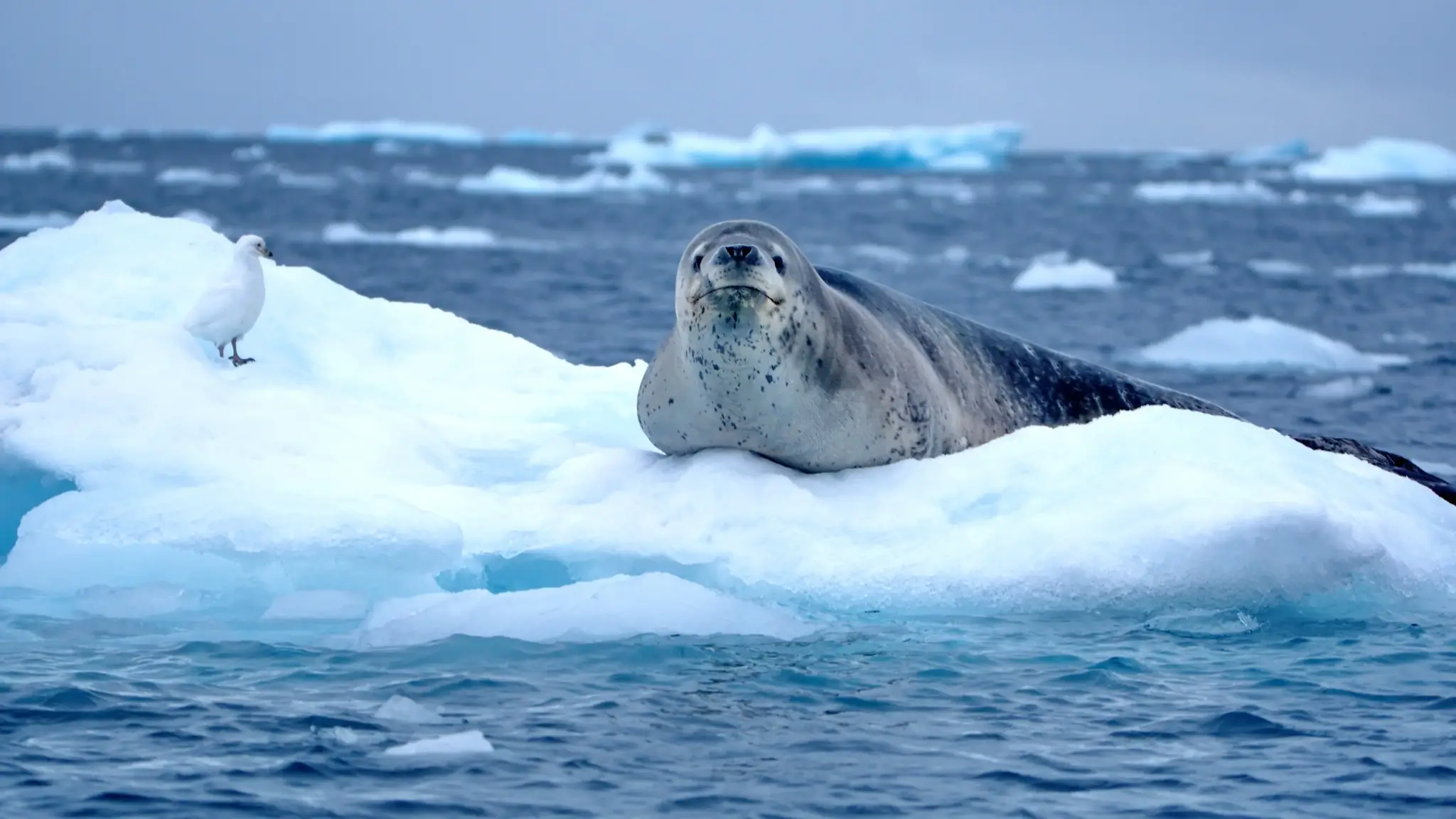
Leopard seals reach 3.8 meters (12.5 feet) and 600 kilograms (1,320 pounds) displaying distinctive spotted patterns across silver-gray coats. Serpentine necks and massive heads house specialized tri-cusped teeth for filter-feeding and predation.
These solitary hunters patrol Antarctic waters as apex predators controlling penguin populations. Scientists call this "ecological versatility"—few marine mammals exploit both microscopic and large prey through specialized anatomical adaptations. Photo: Tarpan.
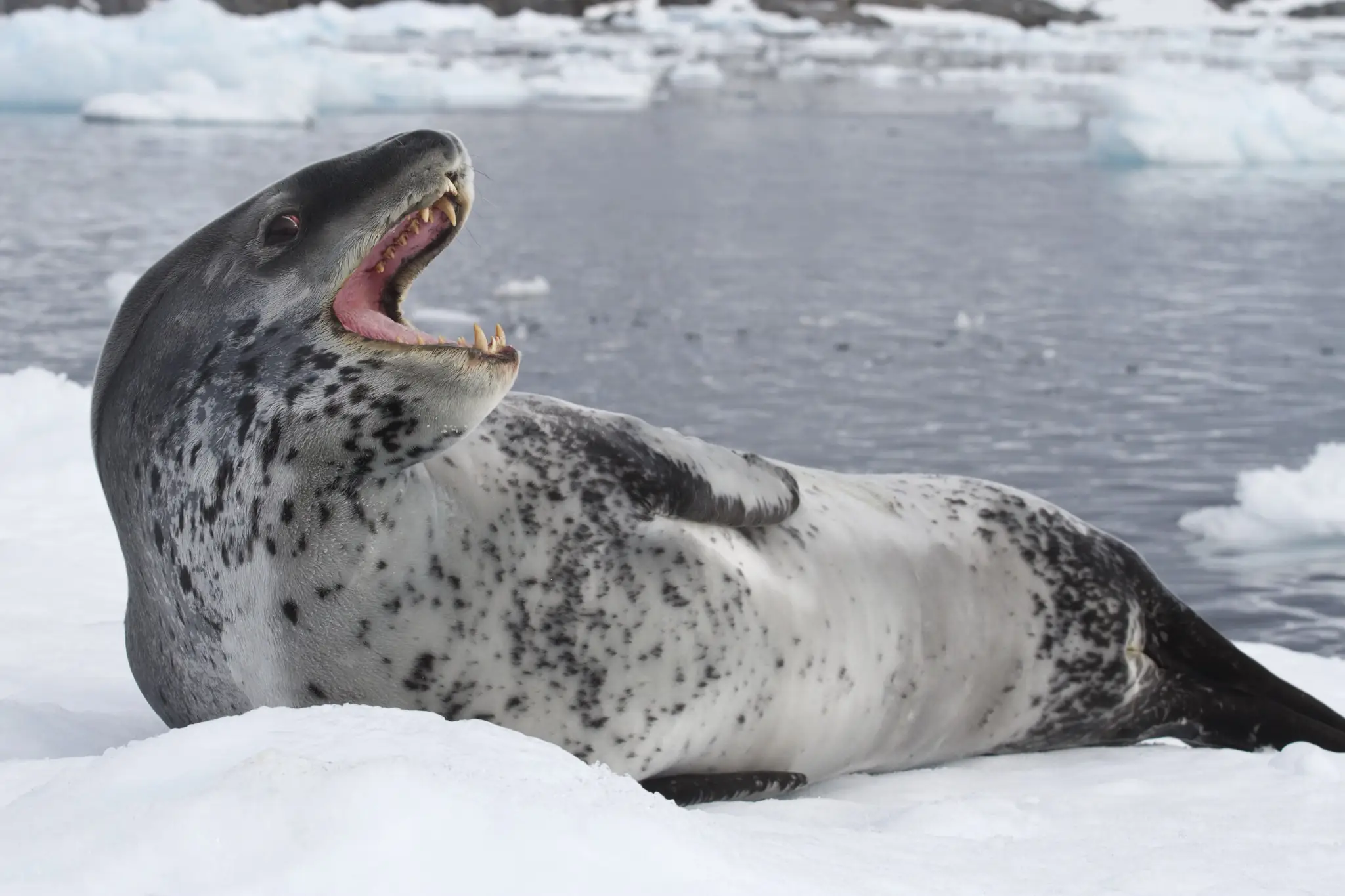
"Leopard seals possess the most sophisticated dental system among pinnipeds—tri-cusped teeth function as both filter-feeding sieves and flesh-tearing weapons, enabling predation on prey ranging from 2-millimeter krill to 120-kilogram seals."
— Dr. Tracey Rogers, Antarctic Marine Predator Research
Tri-Cusped Teeth Specialization
Dual-Function Dental Engineering for Filter-Feeding and Predation
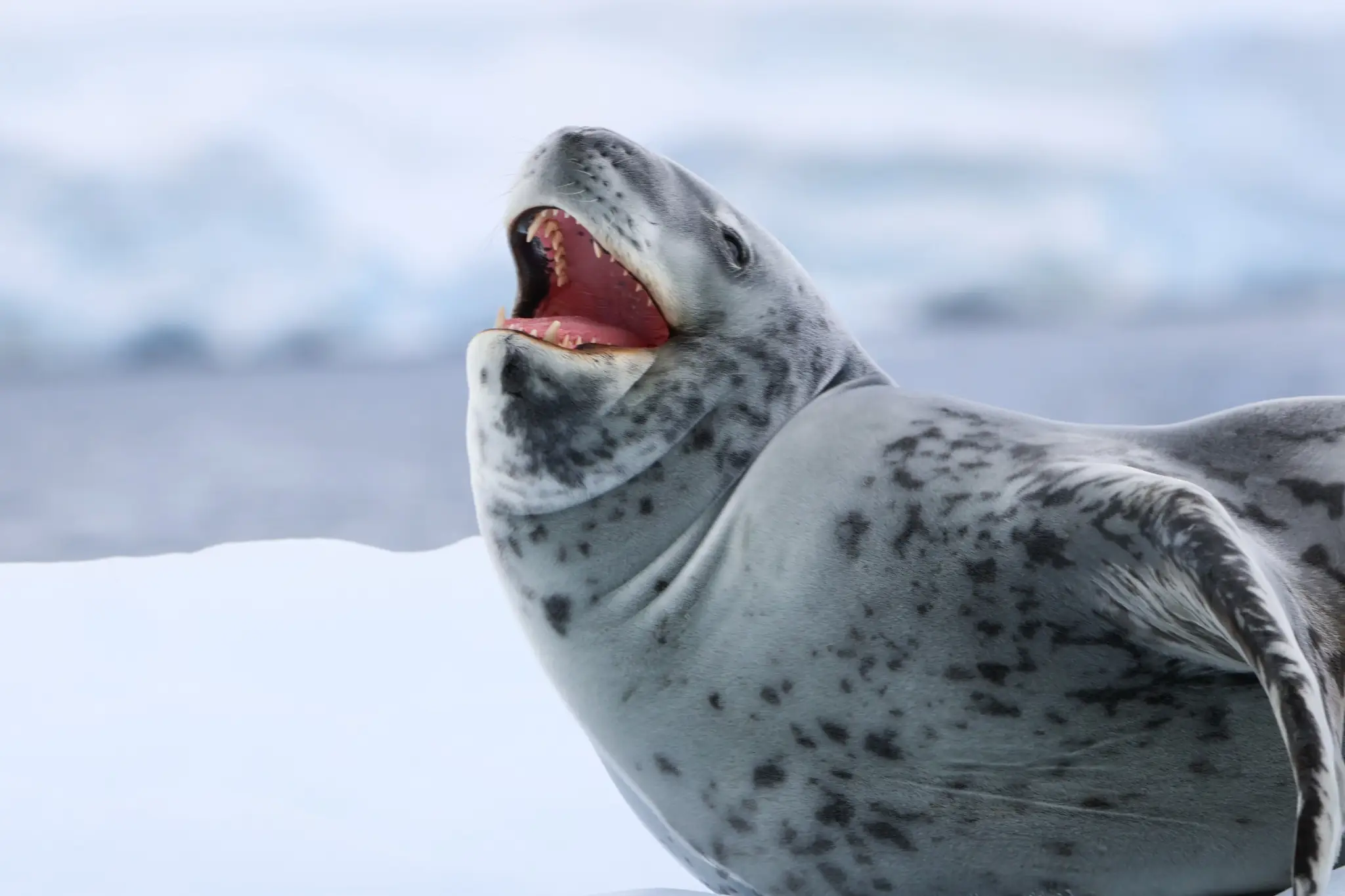
Tri-cusped teeth feature three pointed projections creating interlocking sieves when mouth closes partially. This specialized dentition enables filter-feeding on 2-millimeter krill while maintaining flesh-tearing capabilities for penguin predation.
Scientists call this "adaptive dentition"—unique tooth morphology enabling diverse prey exploitation. Front teeth specialize in grasping while posterior teeth create filtering mechanisms. This dual-function system represents pinnacle marine mammal dental evolution. Photo: Cassandrasm.
High-Speed Pursuit Hunting
40-Kilometer-Per-Hour Underwater Acceleration with Ambush Tactics
Leopard seals achieve 40 kilometers per hour during underwater pursuit hunting using powerful fore-flipper propulsion. Streamlined bodies and serpentine necks enable rapid direction changes while chasing penguins through three-dimensional aquatic space.
Ambush tactics involve positioning beneath ice edges where penguins enter water, then executing explosive acceleration. Research reveals exceptionally high hunting success during breeding seasons when prey movements become predictable. Photo: Yaroslav Nikitin.
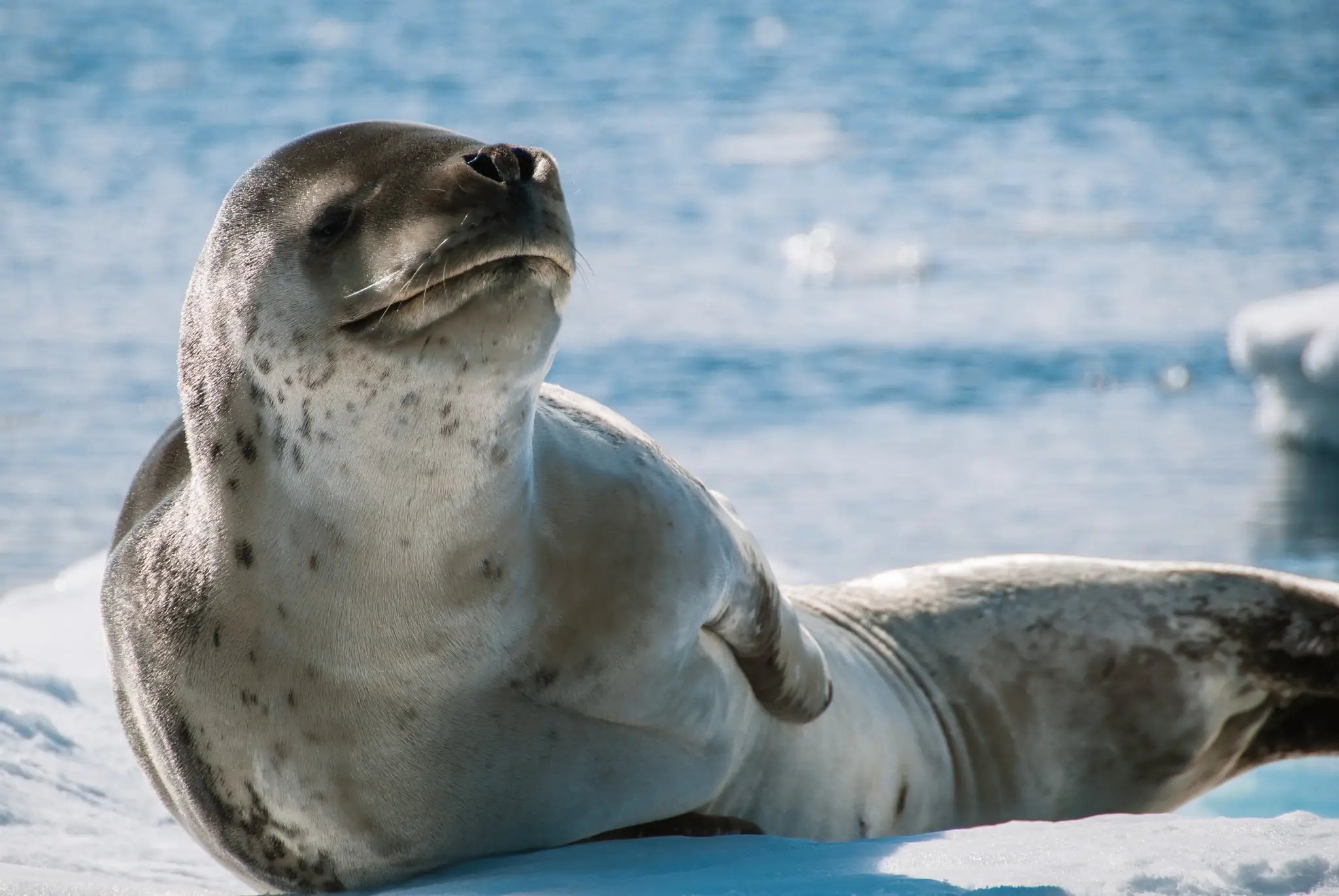
"Leopard seals are masters of polar pursuit—their serpentine bodies and explosive acceleration to 40 kilometers per hour make them one of Antarctica's most formidable hunters, capable of dramatic three-dimensional chases through fractured ice environments."
— Dr. Kristen Gorman, Predator Specialization Research
Sophisticated Hunting Strategies
Individual Specialization and Prey-Specific Technique Development
Individual leopard seals develop specialized hunting techniques targeting specific prey throughout 26-year lifespans. Some become penguin specialists while others focus on seal pups or maintain generalist filter-feeding strategies.
Scientists call this "behavioral plasticity"—individual adaptation enabling niche specialization. Penguin specialists develop ice-edge ambush techniques while krill specialists perfect filter-feeding efficiency. This flexibility maximizes resource exploitation across variable Antarctic conditions. Photo: Dr Flash.
Solitary Territory Management
Individual Resource Control Across 100-Square-Kilometer Ranges
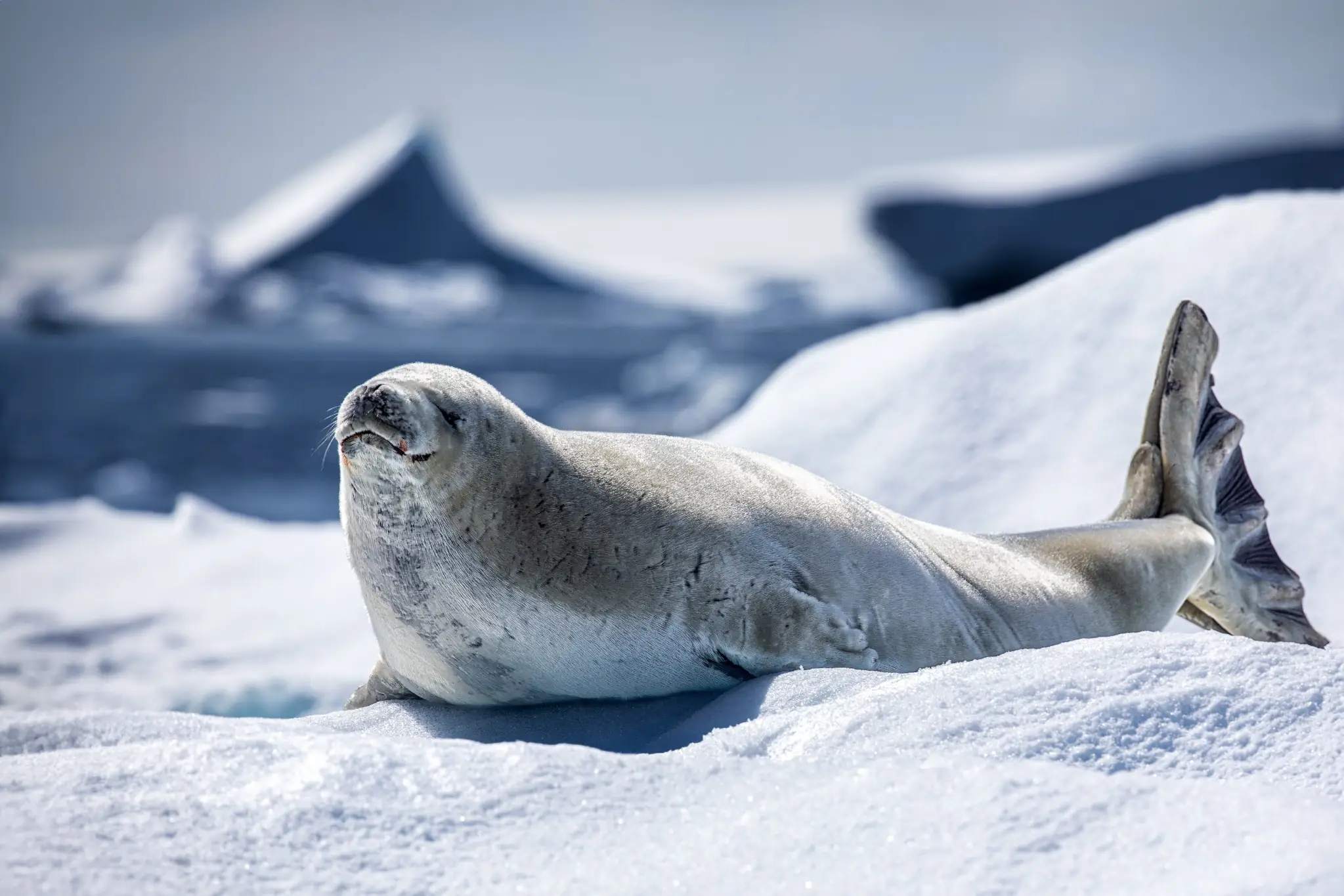
Solitary leopard seals maintain individual territories spanning 100 square kilometers using acoustic communication and scent marking. Males establish breeding territories during summer while females control prime foraging areas year-round.
Underwater vocalizations include trills, grunts, and complex songs lasting 40 minutes for territorial communication. Scientists call this "acoustic spacing"—sound-based territory maintenance enabling resource control without direct confrontation in vast Antarctic waters. Photo: Angela N Perryman.
Climate Change Adaptation
Flexible Hunting Strategies Under Changing Ice Conditions
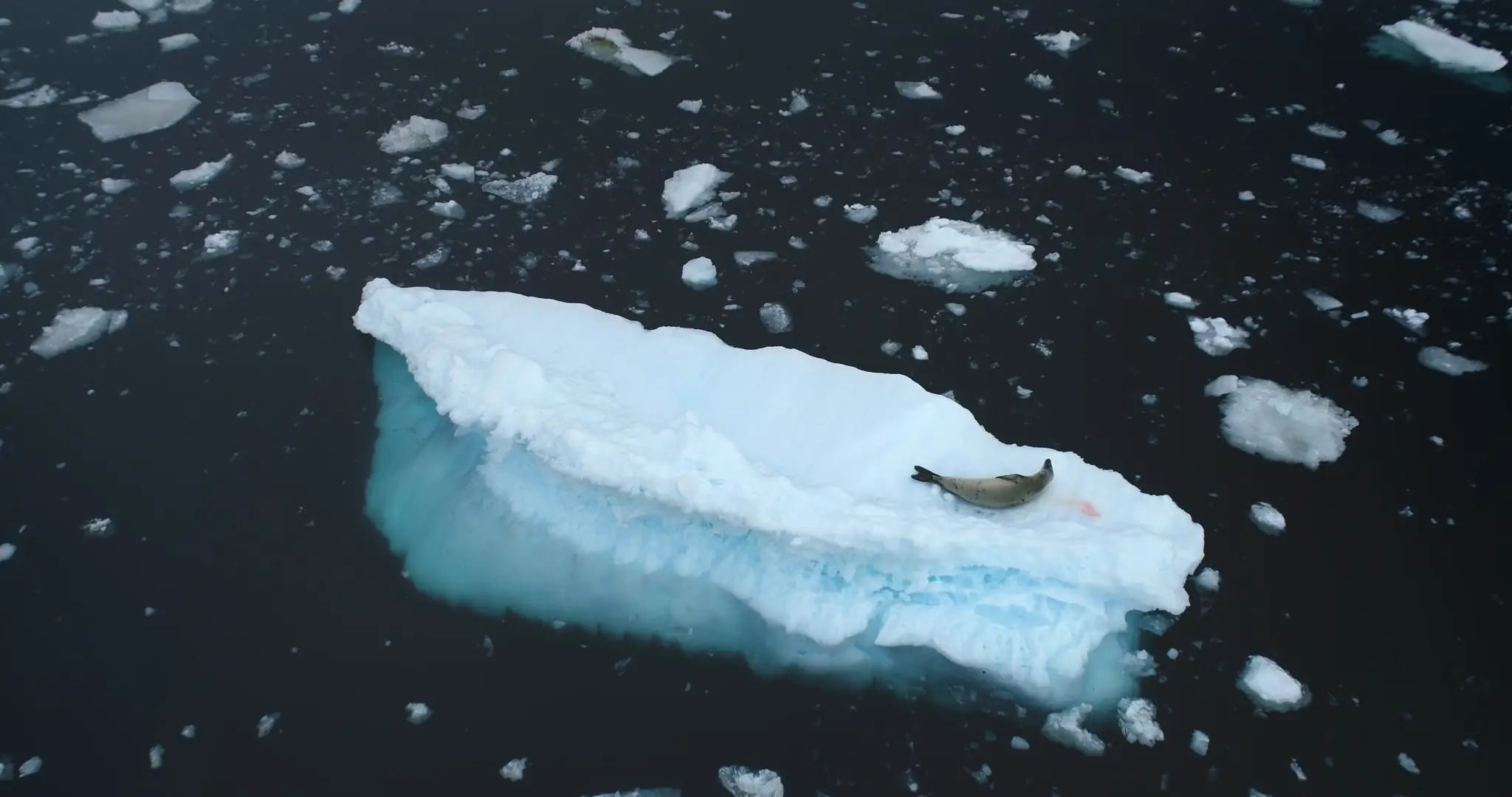
Climate change reduces Antarctic sea ice by 13% per decade, altering ice-edge hunting grounds. Leopard seals demonstrate behavioral flexibility by expanding open-water hunting and increasing krill consumption.
Population monitoring reveals stable numbers around 440,000 individuals despite habitat changes. Their ecological versatility suggests resilience to environmental shifts. Research indicates apex predator flexibility may buffer Antarctic ecosystem disruption during climate transitions. Photo: Mozgova.
Science & Discovery
Australian Antarctic Division's 2023 biotelemetry study revealed 300-meter diving capabilities and 2,000-kilometer seasonal migrations, tracking seals navigating between pack ice and open ocean—informing Antarctic conservation zone management.
University of Tasmania researchers discovered individual hunting specialization develops through cultural transmission, with juveniles learning prey-specific techniques from adults—demonstrating rare non-genetic behavioral inheritance in marine mammals.
University of Tasmania researchers discovered individual hunting specialization develops through cultural transmission, with juveniles learning prey-specific techniques from adults—demonstrating rare non-genetic behavioral inheritance in marine mammals.
In our delightful oceans, leopard seals demonstrate that apex predators shape Antarctic ecosystems, that evolutionary specialization creates dietary versatility, and that studying these solitary hunters advances understanding of climate adaptation and remarkable resilience in Earth's most extreme environments.