Atlantic Bluefin Tuna
Ocean's Speed Titan
Thunnus thynnus
Meet ocean's only warm-blooded fish—torpedo-shaped giants reaching 680 kilograms (1,500 pounds) and 4 meters (13 feet) maintaining core temperatures 20°C above surrounding water. They achieve 70 km/h bursts through retractable fins and crescent-shaped tails. Counter-current heat exchangers enable hunting from Arctic to tropical waters. These masters execute trans-Atlantic crossings with magnetic navigation demonstrating marine life's ultimate speed-endurance combination, while conservation efforts have helped some populations recover from historical declines, particularly in the Eastern Atlantic.
Meet the Speed TitanWhat Makes Them Special
Warm-Blooded Mastery
Maintain core temperature 20°C above water through counter-current heat exchangers enabling Arctic-tropical range
70 km/h Velocity
Torpedo-shaped bodies with retractable fins achieve 70 km/h bursts rivaling marine mammals
1,000-Meter Dives
Passive gliding techniques conserve energy during deep dives accessing vertical prey distribution
680-Kilogram Giants
Massive predators reaching 680 kilograms and 4 meters through continuous high-speed swimming
60-Day Atlantic Crossings
Complete trans-Atlantic migrations in 60 days using magnetic field detection as biological GPS
Conservation Recovery
Eastern Atlantic population significantly recovered, with IUCN downlisting from Endangered to Least Concern in 2021
First Encounter
Torpedo-Shaped Giants Built for Speed
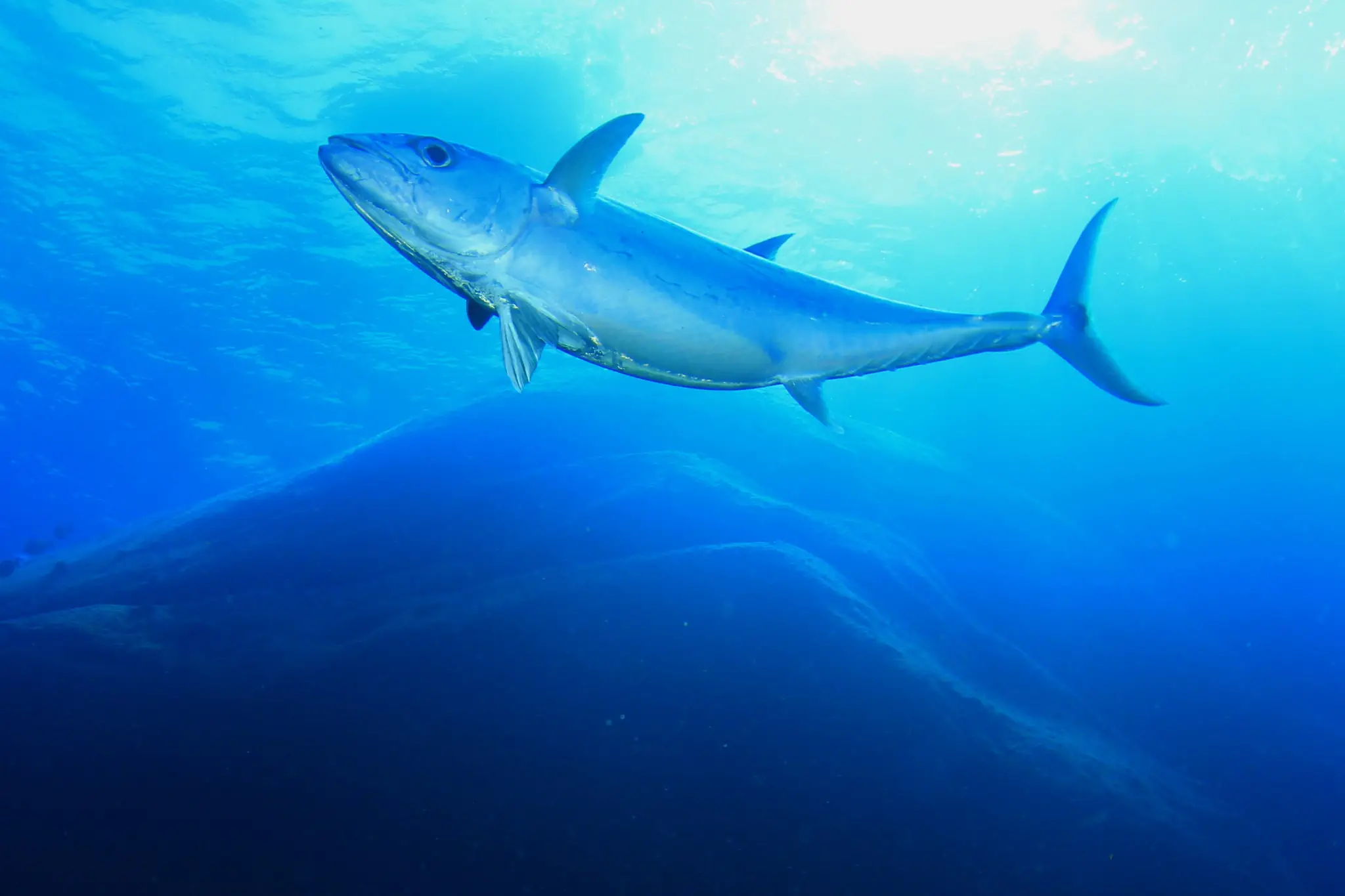
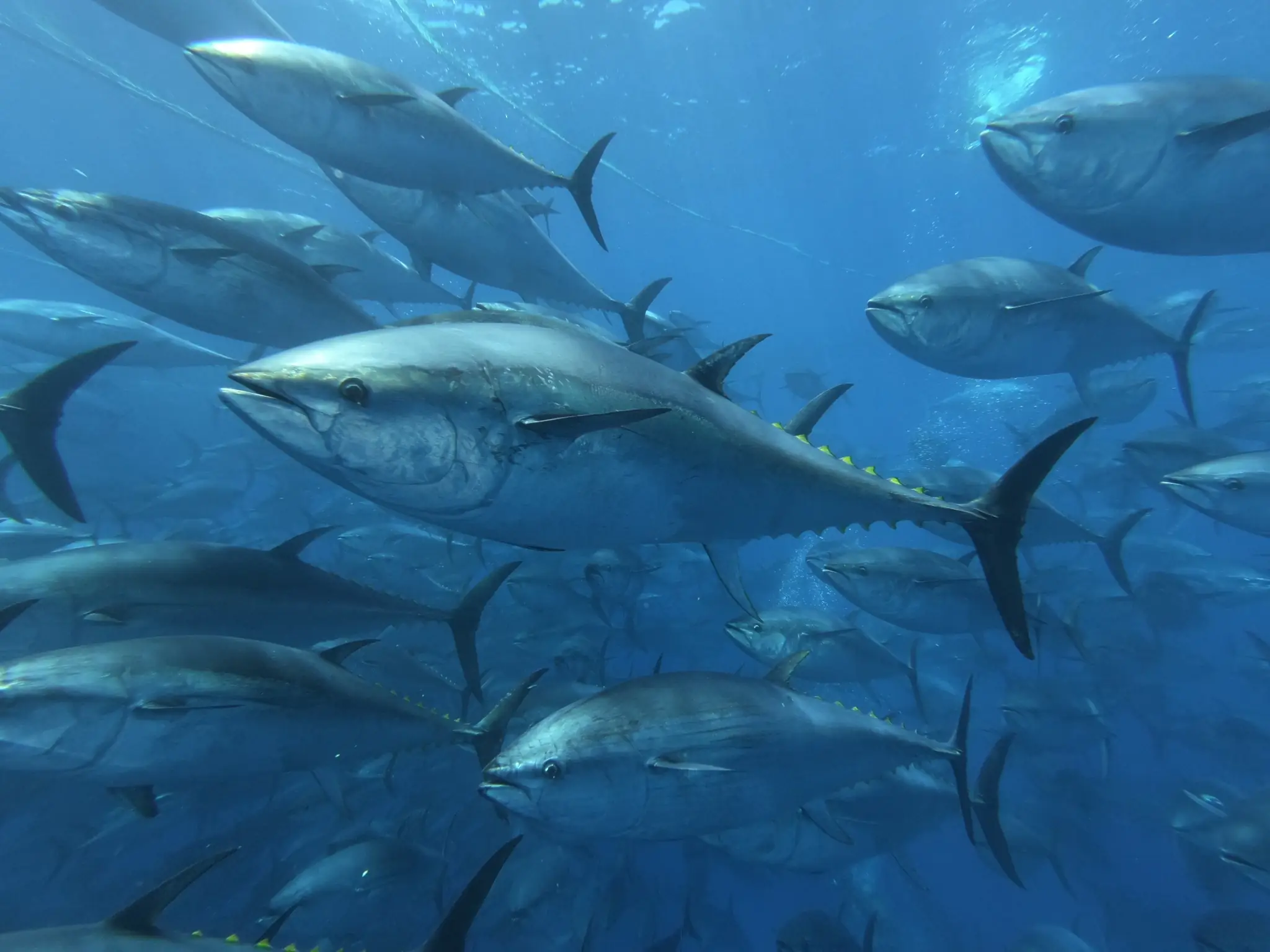
Atlantic bluefin tuna reach 680 kilograms with torpedo-shaped bodies eliminating water resistance through streamlined design. Eyes sit flush with bodies while crescent-shaped tails generate maximum propulsion demonstrating evolutionary perfection.
Metallic blue above and silver below these giants feature retractable fins disappearing into body slots during high-speed pursuits. Their hydrodynamic efficiency rivals submarines combining massive size with ultimate velocity capabilities. Photo: Rich Carey.
"Atlantic bluefin tuna represent the ultimate expression of aquatic speed and power—living proof that perfection exists in nature's engineering."
— Dr. Barbara Block, Marine Biologist
Warm-Blooded Revolution
Core Temperature 20°C Above Surrounding Water
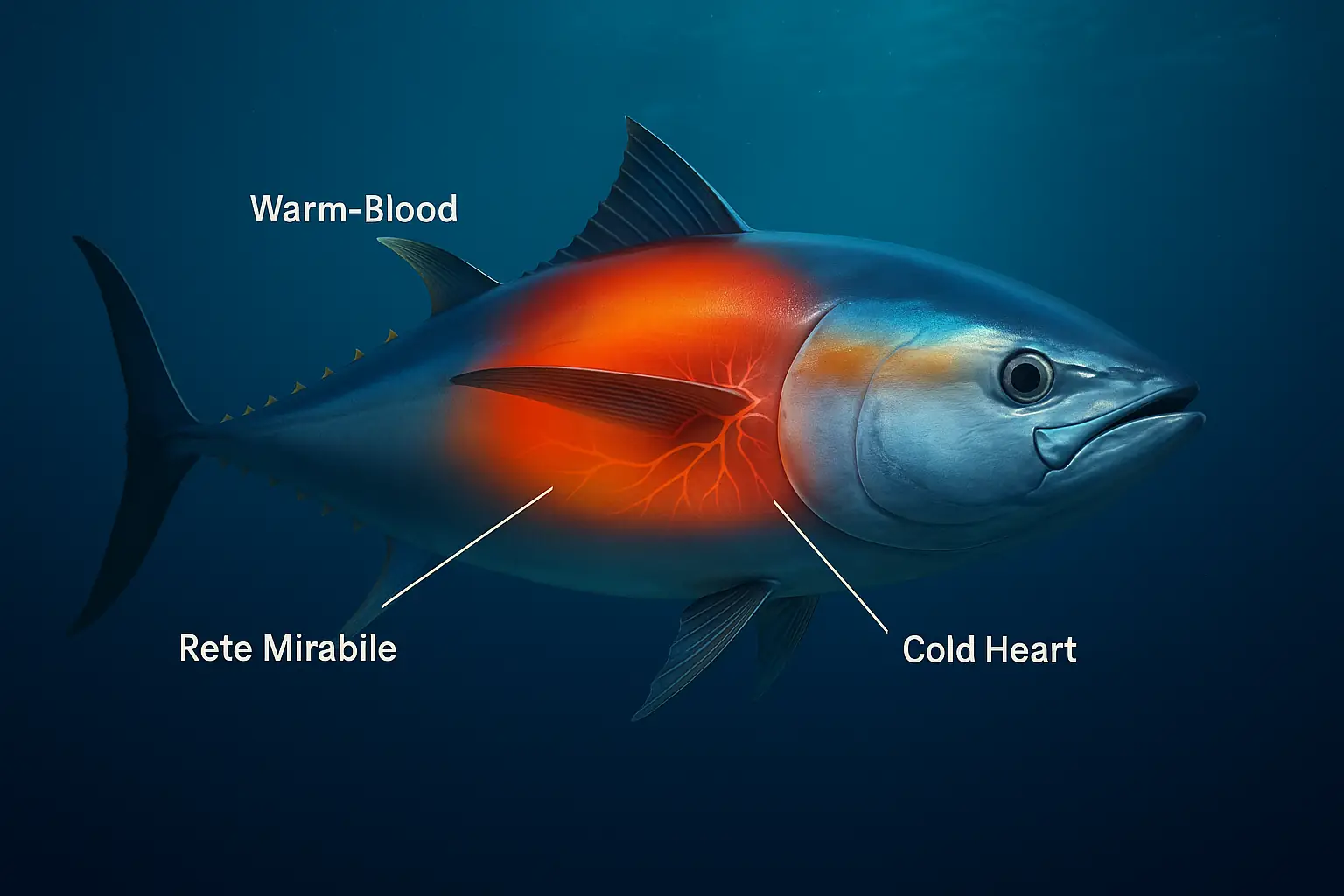
Bluefin tuna achieve regional endothermy through specialized counter-current heat exchangers warming core 20°C above water temperature. Hearts operate at ambient temperature while essential organs maintain optimal thermal performance.
This revolutionary system enables hunting in both Arctic and tropical waters making bluefins among ocean's most temperature-adaptable predators. Vascular heat exchangers can alter thermal conductivity 100-fold accommodating rapid temperature changes. Photo: Illustration.
Velocity Supreme
70 km/h Bursts with Retractable Fin Technology
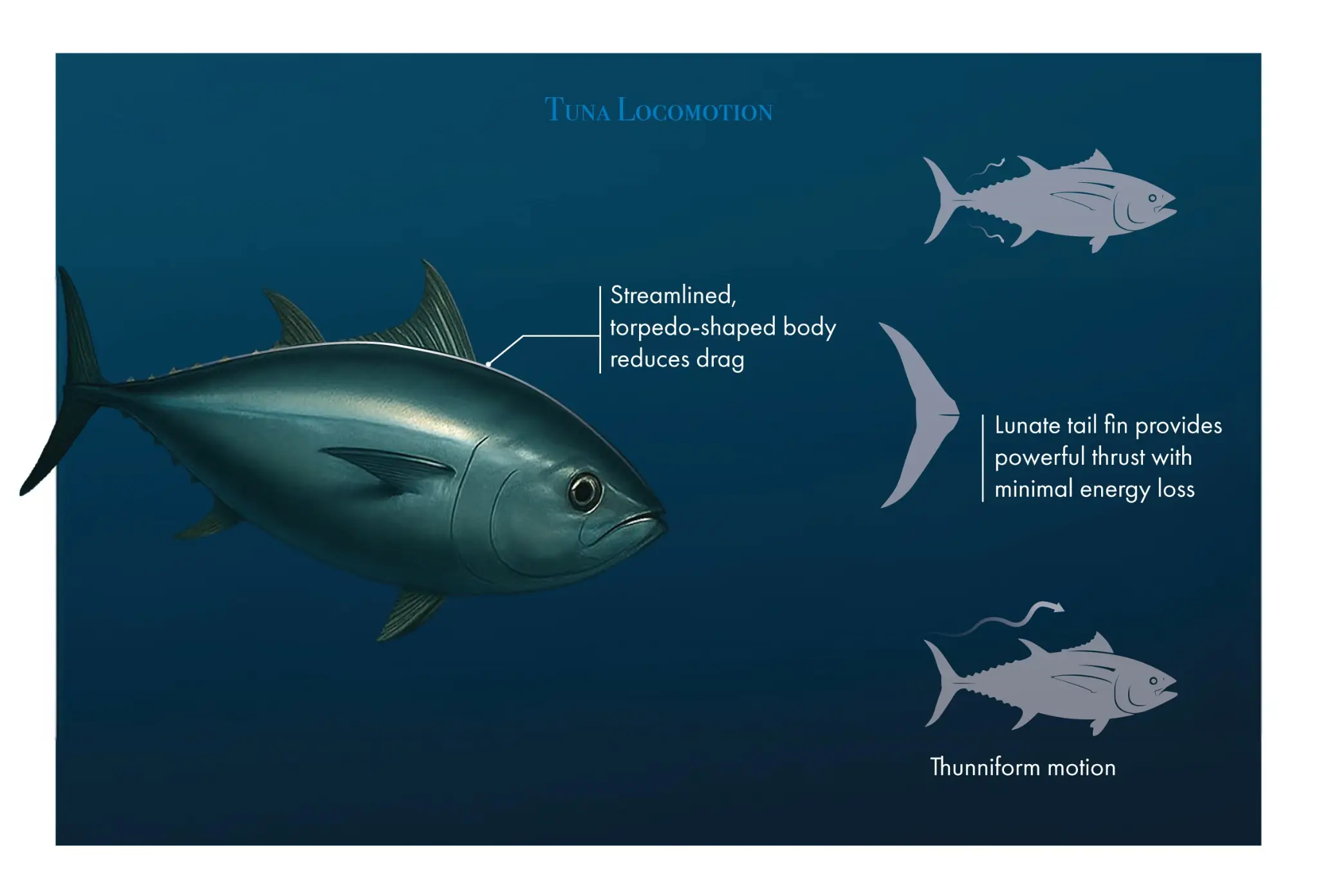
Bluefin tuna achieve 70 km/h making them among ocean's fastest swimmers. During acceleration dorsal and pectoral fins retract into body grooves creating perfect streamlining while small tail finlets reduce turbulence.
Crescent-shaped tails generate enormous thrust enabling sustained high-speed performance rivaling marine mammals. These adaptations allow extended pursuit durations demonstrating ultimate speed-endurance integration. Photo: Illustration.
"Watching bluefin tuna accelerate reminds us that nature's most efficient machines combine raw power with engineering elegance beyond human imagination."
— Dr. Jeremy Goldbogen, Stanford University
Trans-Oceanic Mastery
Atlantic Crossings in 60 Days with Pinpoint Navigation
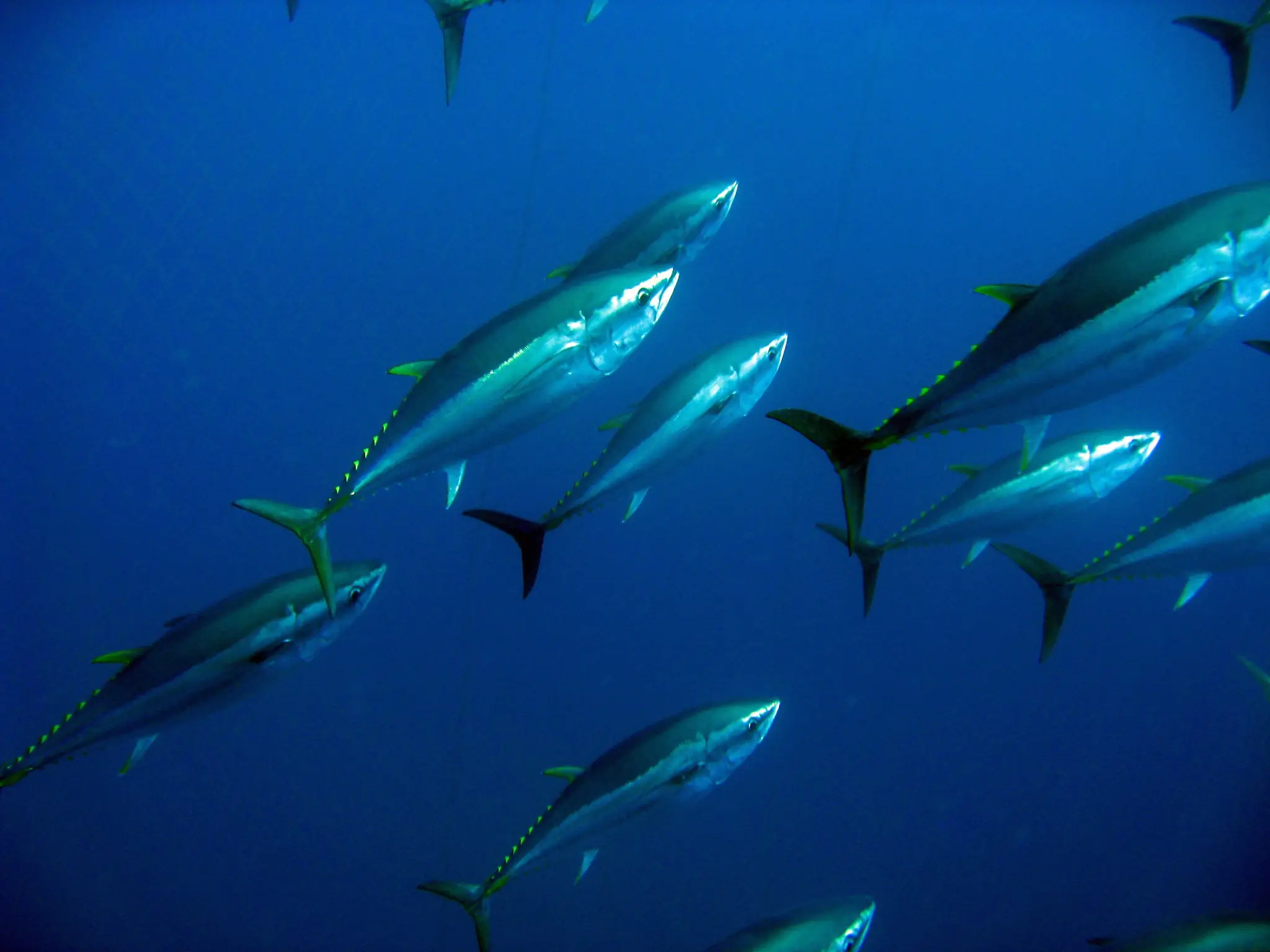
Bluefin tuna cross entire Atlantic Ocean in 60 days with some making multiple annual round trips. They navigate using magnetic field detection through specialized pineal windows functioning as biological GPS systems.
These fish return to exact Gulf of Mexico and Mediterranean spawning locations with remarkable accuracy. Navigation combines magnetic sensing temperature gradients and memory-based route recognition across thousands of kilometers. Photo: Guido Montaldo.
Deep Diving Intelligence
1,000-Meter Descents Using Energy-Saving Techniques
Bluefin tuna dive beyond 1,000 meters using passive gliding techniques conserving energy. They control buoyancy to descend without active swimming accessing deep-water prey while minimizing expenditure.
Their vision ranks among sharpest of bony fish enabling effective hunting in dim deep environments. This combination makes them effective predators throughout water column from surface to abyssal zones. Photo: BlueRushDepth.
Conservation Achievement
From Severe Declines to Global Recovery
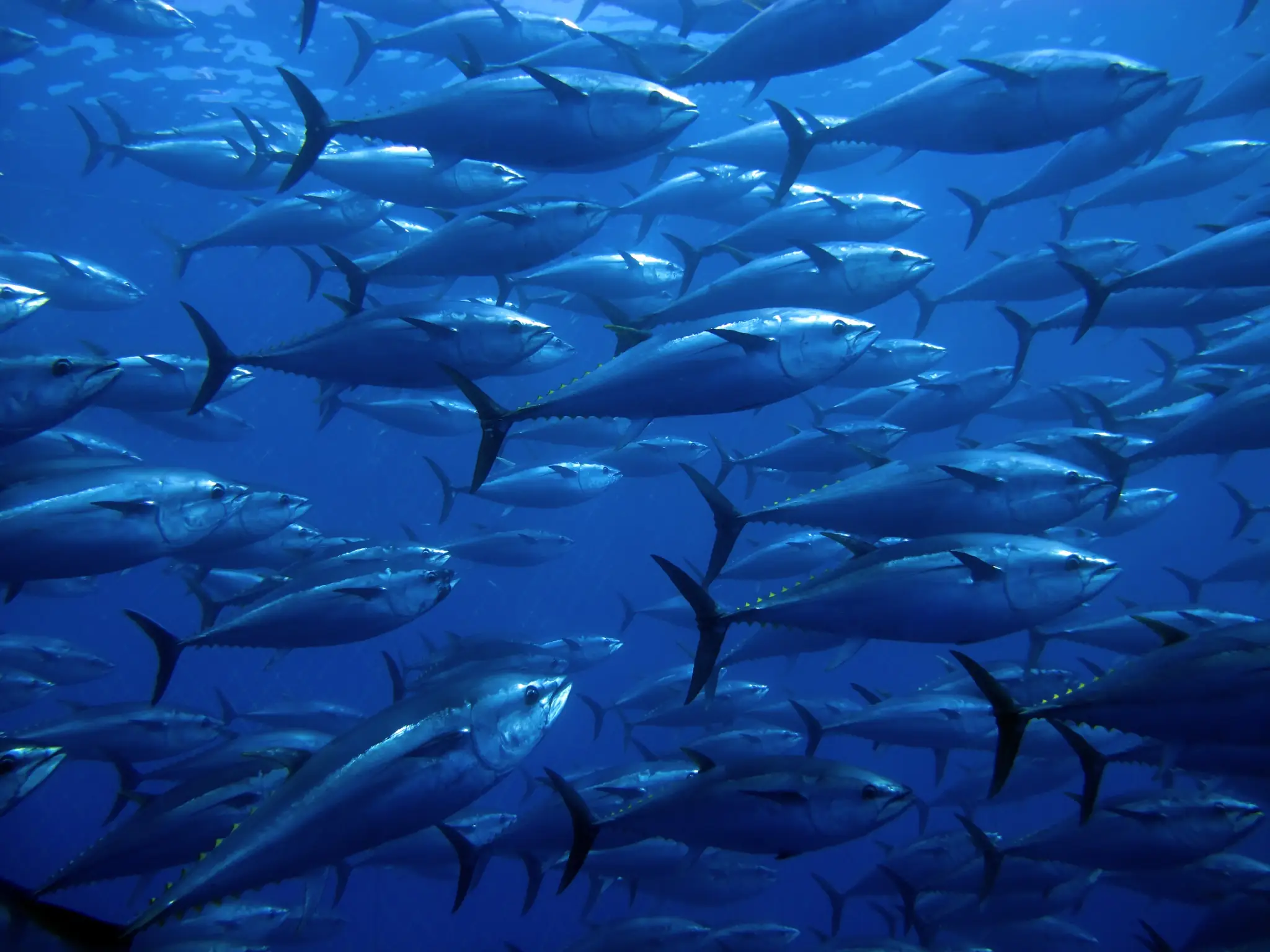
Atlantic bluefin tuna faced severe declines from overfishing, particularly in the Western Atlantic where populations dropped significantly from historical levels. ICCAT's recovery plans implemented fishing quotas and size limits to protect juveniles and allow population recovery.
Conservation efforts have shown success, with the Eastern Atlantic population demonstrating strong recovery leading to its IUCN downlisting from Endangered to Least Concern in 2021. This achievement demonstrates how science-based international cooperation can help restore marine populations. Photo: Guido Montaldo.
Science & Discovery
International research using electronic tagging and genetic analysis has revealed detailed bluefin tuna migration patterns, providing critical data for science-based fisheries management and conservation strategies.
Research on tuna thermoregulation has documented remarkable heat exchange mechanisms that maintain core temperatures well above surrounding water, inspiring biomimetic thermal management systems for engineering applications.
Scientific analyses have confirmed that international fisheries management has led to significant spawning biomass increases, demonstrating how coordinated conservation efforts can successfully rebuild marine fish populations.
In our delightful oceans, Atlantic bluefin tuna have shown remarkable recovery through international conservation efforts, with significant population increases demonstrating the success of science-based fisheries management. Their counter-current heat exchangers maintain 20°C thermal advantage enabling Arctic-tropical range. 2021 IUCN reclassification from Endangered to Least Concern proves science-based international cooperation restores apex predators.