Six Gill Shark
Ocean's Living Fossil
Hexanchus griseus
Meet the ocean's living fossils—prehistoric predators reaching 6.1 meters (20 feet) and up to 1,100 kilograms whose primitive six-gill anatomy remains unchanged across 200 million years. Distinctive tapetum lucidum enables deep-sea vision at depths from 200 to 2,500 meters. These ancient sharks perform 700-meter vertical migrations nightly following deep scattering layer prey.
Meet the Hexanchus griseusWhat Makes Them Special
Primitive Anatomy
Six gill slits versus five in modern sharks plus single dorsal fin positioning unchanged 200 million years
Ancient Lineage
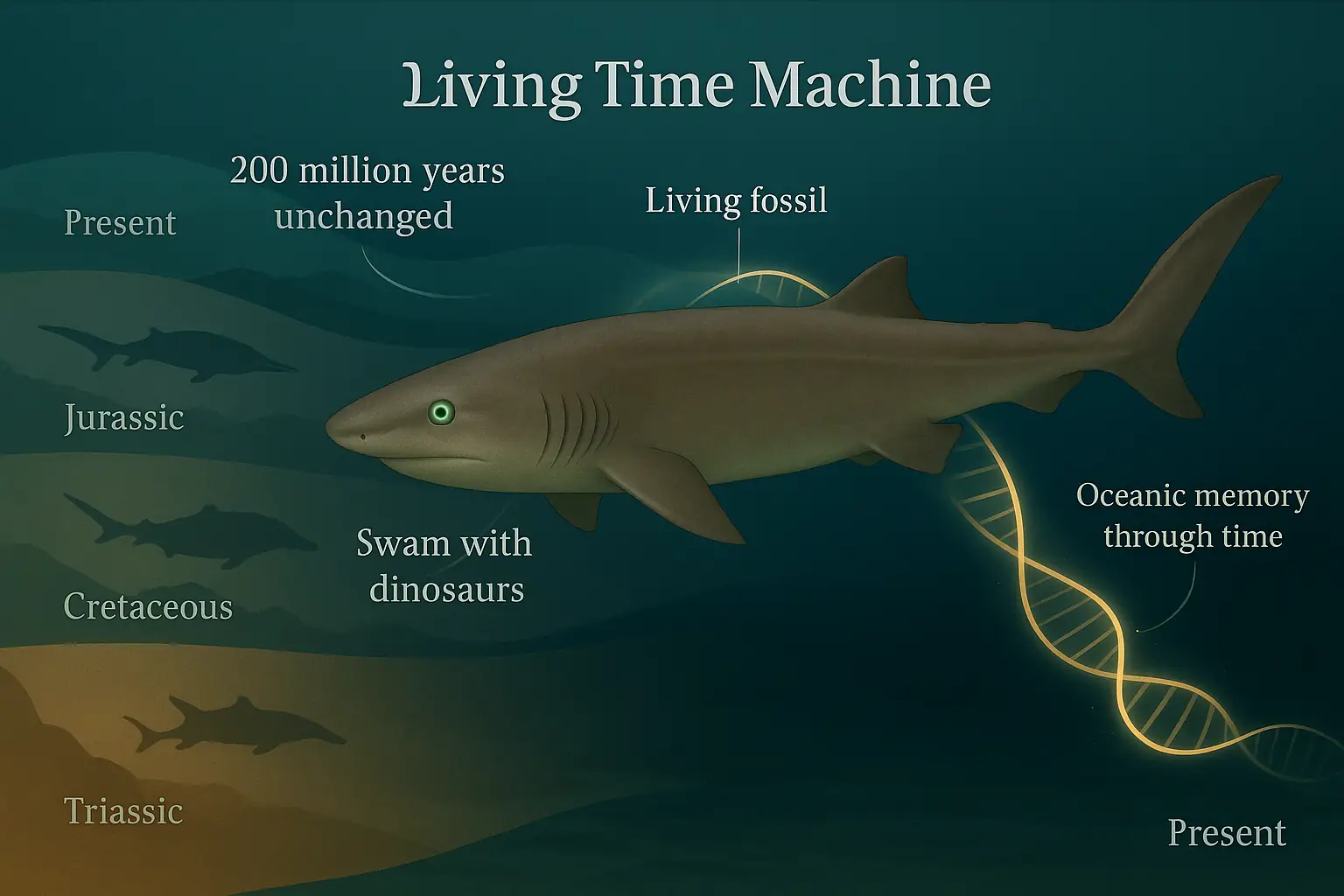
200-million-year fossil record from Jurassic period with more fossil relatives than living demonstrating evolutionary stability through mass extinctions
Deep-Sea Mastery
Inhabit depths from 200-2,500 meters with oil-filled livers providing neutral buoyancy through extreme pressure gradients
Vertical Migrations
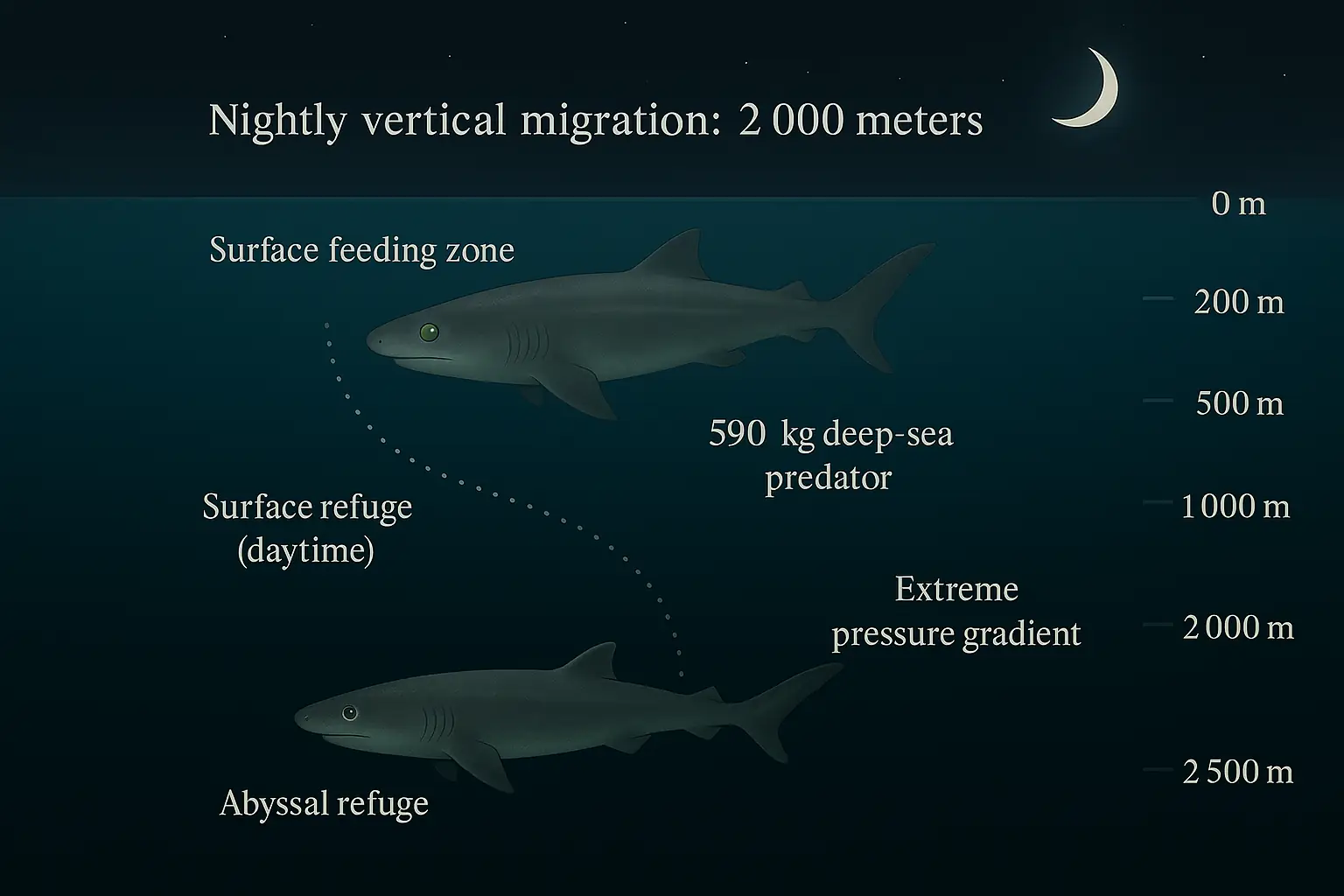
Perform 700-meter nightly ascents from abyssal depths following deep scattering layer prey during vertical migrations
Deep-Sea Vision
Blue-green tapetum lucidum enables deep-sea vision detecting bioluminescent prey in complete darkness
Ambush Predation
Explosive acceleration and jaw protrusion enable efficient capture of fish rays cephalopods and marine mammals
Prehistoric Architecture
6.1-Meter Bodies with Primitive Six-Gill Design
Six gill sharks achieve maximum lengths of 6.1 meters (20 feet) among largest predatory sharks. Their primitive anatomy includes six gill slits versus five in modern sharks and single dorsal fin unchanged since Triassic times.
Distinctive features include blue-green tapetum lucidum enabling deep-sea vision broad pectoral fins and triangular lower teeth. This "primitive" body plan represents successful ancestral design persisting through major extinction events without morphological modification. Photo: Illustration.
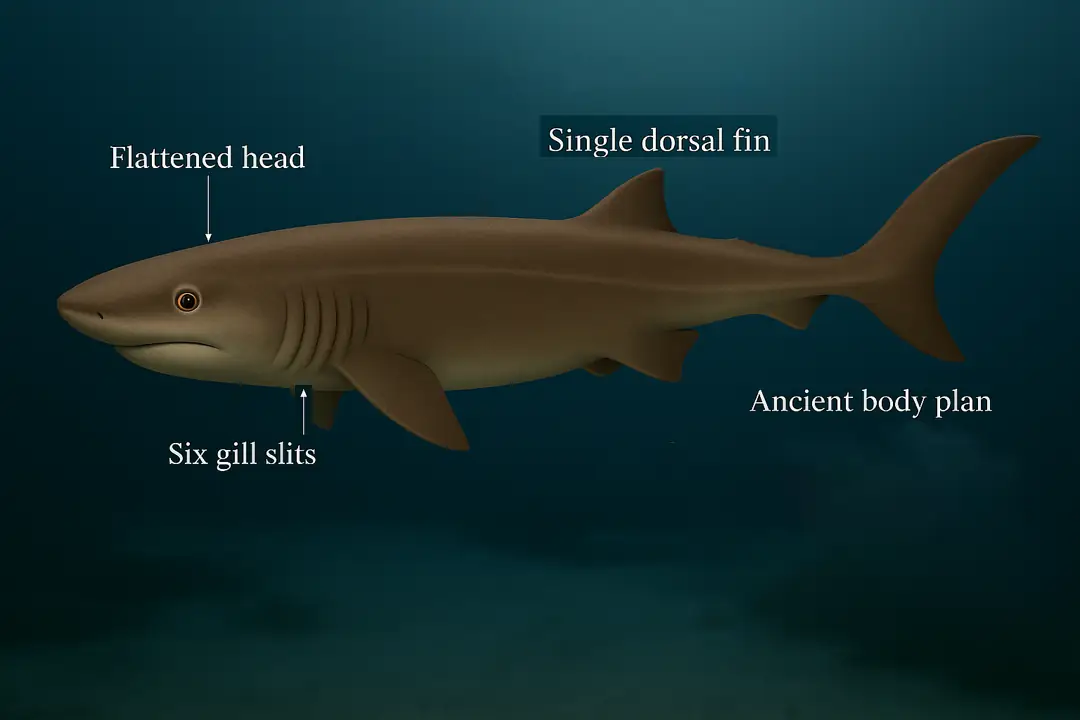
"Six gill sharks are swimming time capsules—virtually unchanged for 200 million years, they've survived every major extinction event while retaining their prehistoric anatomy perfectly adapted for deep-sea hunting"
— Dr. Adam Barnett, Hexanchiform Evolution Specialist
Evolutionary Stability
200-Million-Year Fossil Record from Triassic Oceans
Hexanchidae family fossils date back 200 million years to Jurassic period appearing 180 million years ago. Six gill sharks possess more fossil relatives than living representing Earth's most ancient surviving shark lineage throughout major geological periods.
Their unchanged morphology demonstrates successful deep-sea adaptation across geological eras. This evolutionary conservatism proves optimal designs persist through mass extinctions when niches remain stable—surviving Permian Triassic Jurassic-Cretaceous and Cretaceous-Paleogene events unchanged. Photo: Illustration.
Deep-Sea Mastery
2,500-Meter Depth Range with Pressure Specialization
Six gill sharks inhabit depths from 200 to 2,500 meters with maximum records exceeding this. Large oil-filled livers provide neutral buoyancy enabling efficient movement through extreme pressure gradients without energy expenditure.
Specialized physiology includes low metabolic rates and hypoxia tolerance allowing exploitation of oxygen-minimum zones. These adaptations provide exclusive access to deep-sea prey unavailable to surface predators creating competition-free ecological niches. Photo: Illustration.
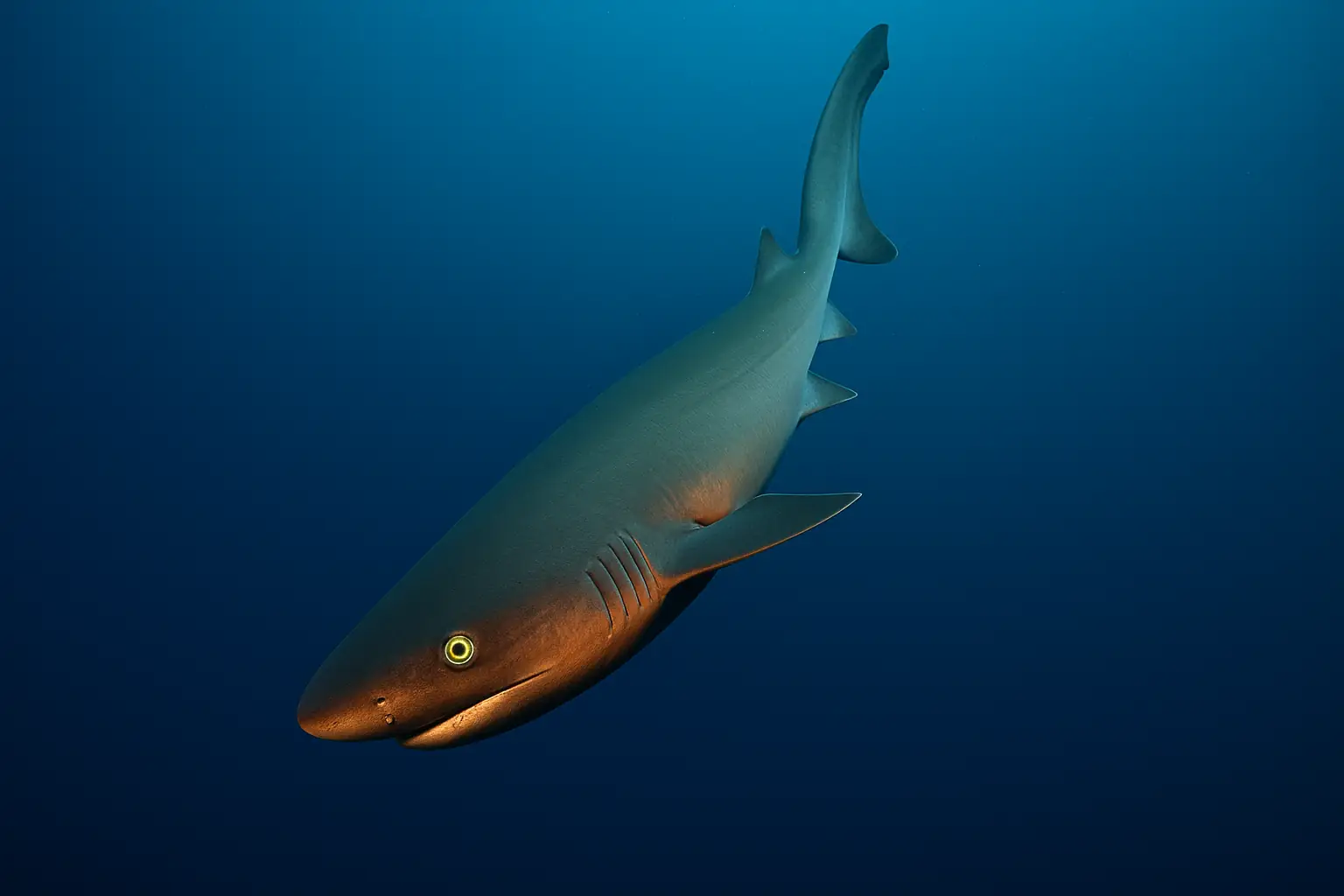
"Hawaiian research revealed six gill sharks perform extraordinary vertical migrations—ascending 700 meters nightly from abyssal depths to hunt, then returning to the deep by dawn like marine elevators."
— Pacific Deep-Sea Research Consortium
Vertical Migrations
700-Meter Ascents Following Deep Scattering Layer
Six gill sharks perform diel vertical migrations ascending from 2,000-meter daytime depths to 300-meter nighttime hunting grounds. Light levels and prey availability trigger these 700-meter movements representing largest vertical migrations in the ocean.
Satellite tagging reveals synchronized migration patterns optimizing energy expenditure while following the deep scattering layer—billions of organisms migrating vertically daily. These behaviors enable exploitation of abyssal and mesopelagic prey maximizing feeding opportunities across depth zones. Photo: Illustration.
Ambush Predation
Explosive Acceleration with Advanced Jaw Mechanics
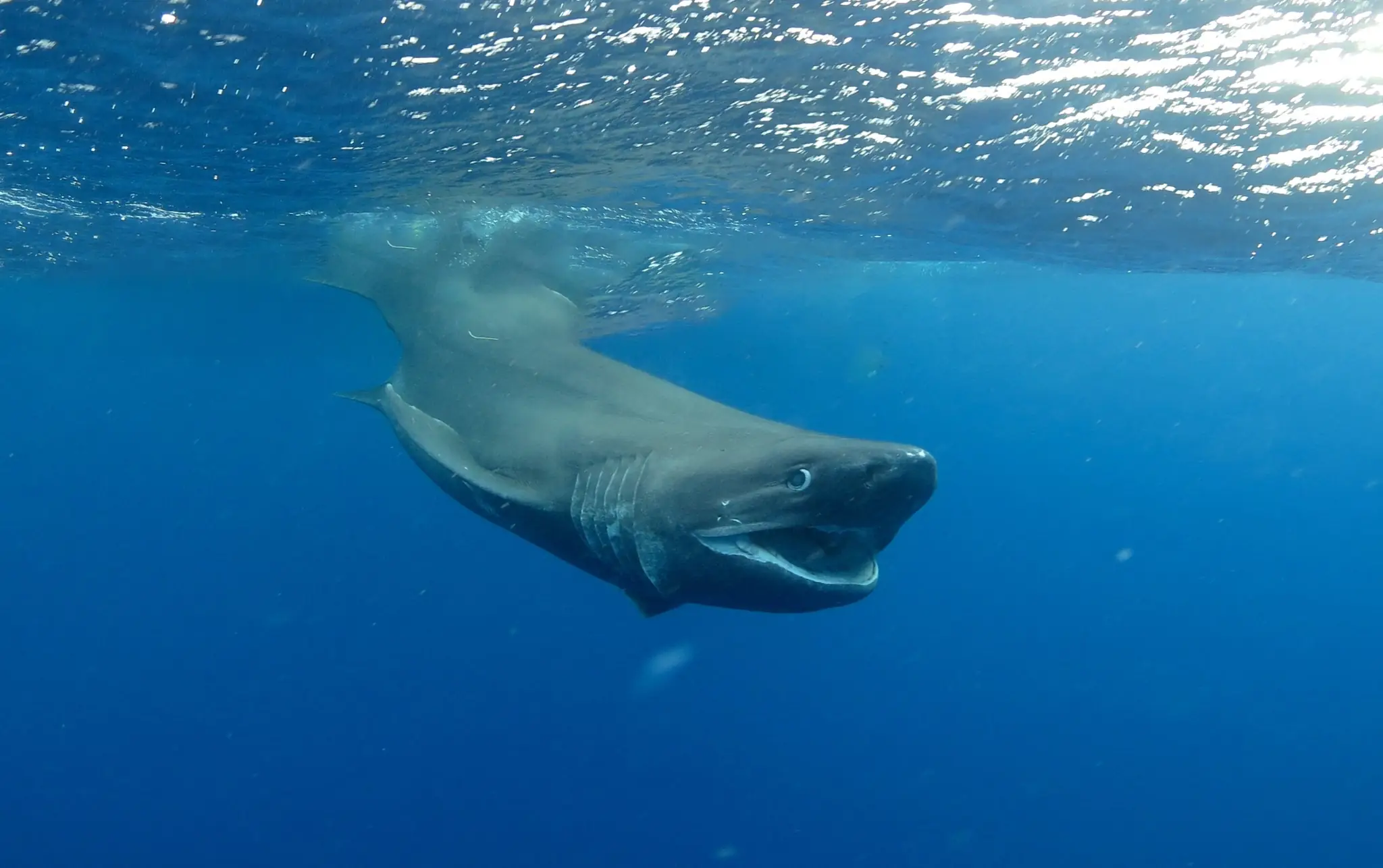
Six gill sharks employ ambush tactics using close-range explosive acceleration despite primitive classification. Advanced jaw protrusion enables efficient prey capture from small fish to large marine mammals demonstrating sophisticated predatory capabilities.
Generalist feeding strategies include fish rays cephalopods crustaceans and seals. Broad dietary flexibility enables survival across varied oceanic environments maintaining stable populations in resource-limited deep-sea habitats through opportunistic energy maximization. Photo: NOAA.
Conservation Success
Marine Protected Areas with Research-Driven Management
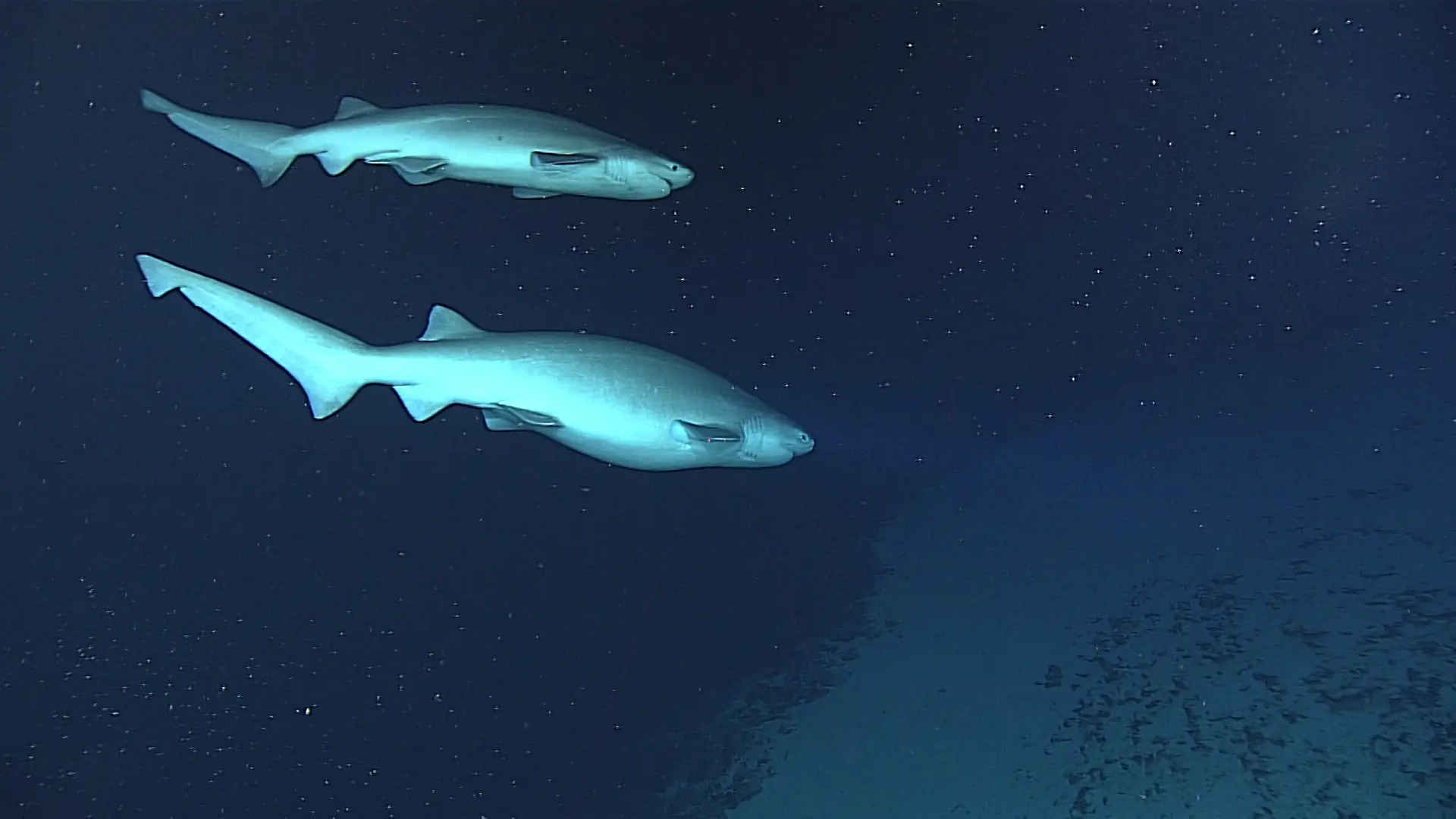
Advanced satellite tagging reveals six gill shark migration corridors across Pacific basins enabling targeted protection strategies. Marine sanctuary networks demonstrate success through no-fishing zones providing safe passage during vertical migrations.
International cooperation enables population monitoring across global ranges from Mediterranean to Pacific waters. Citizen science engages coastal communities while biomimetic pressure-sensing research creates conservation incentives through deep-sea engineering applications. Photo: NOAA.
Science & Discovery
University of Tasmania 2023 genomic analysis revealed six gill sharks possess 40% slower molecular evolution rates than modern sharks confirming morphological stasis reflects genetic stability across 200 million years.
Hawaii Institute of Marine Biology 2024 satellite tracking documented 700-meter vertical migrations covering 30 kilometers nightly revealing optimal foraging strategies maximizing caloric intake through precise depth selection.
Monterey Bay Aquarium Research Institute 2025 pressure sensor studies demonstrated mechanoreceptor systems detect 0.1 atmosphere changes inspiring biomimetic deep-sea robotics and submarine technology enabling autonomous navigation.
In our delightful oceans, six gill sharks demonstrate 200 million years of evolutionary stability with DNA evolving 40% slower than modern sharks. Oil-filled livers enable neutral buoyancy for 700-meter vertical migrations across extreme pressure gradients. Satellite tagging and marine sanctuary networks now protect these ancient predators inspiring biomimetic deep-sea technologies.